Long form thinking on architecture, debugging, AI in production, and the messy intersection of code and business. The trade-offs, failures, and decisions that do not fit into tutorials.
One email when something new goes up. No spam, unsubscribe anytime.
OFFSET pagination broke our API at scale, causing slow queries and latency spikes. Learn how cursor pagination fixed performance without breaking clients.

We added caching to speed things up. Latency dropped, then quietly got worse. This is a real production bug breakdown of how a Redis cache invalidation mistake slowed critical pages and how I fixed it without rewriting the backend.

This database performance issue didn’t look like a typical failure. There were no crashes, no alerts, and no obvious slow query warnings. Locally, everything felt fast, masking the missing database index that only impacted production. As traffic increased, query performance degraded, leading to rising latency and unpredictable response times. This is exactly how hidden indexing issues silently turn into major production bottlenecks.

The page looked perfect to users but invisible to search engines. This is the real-world, step-by-step process I used to convert client-side rendering into SSR for measurable SEO and performance gains.

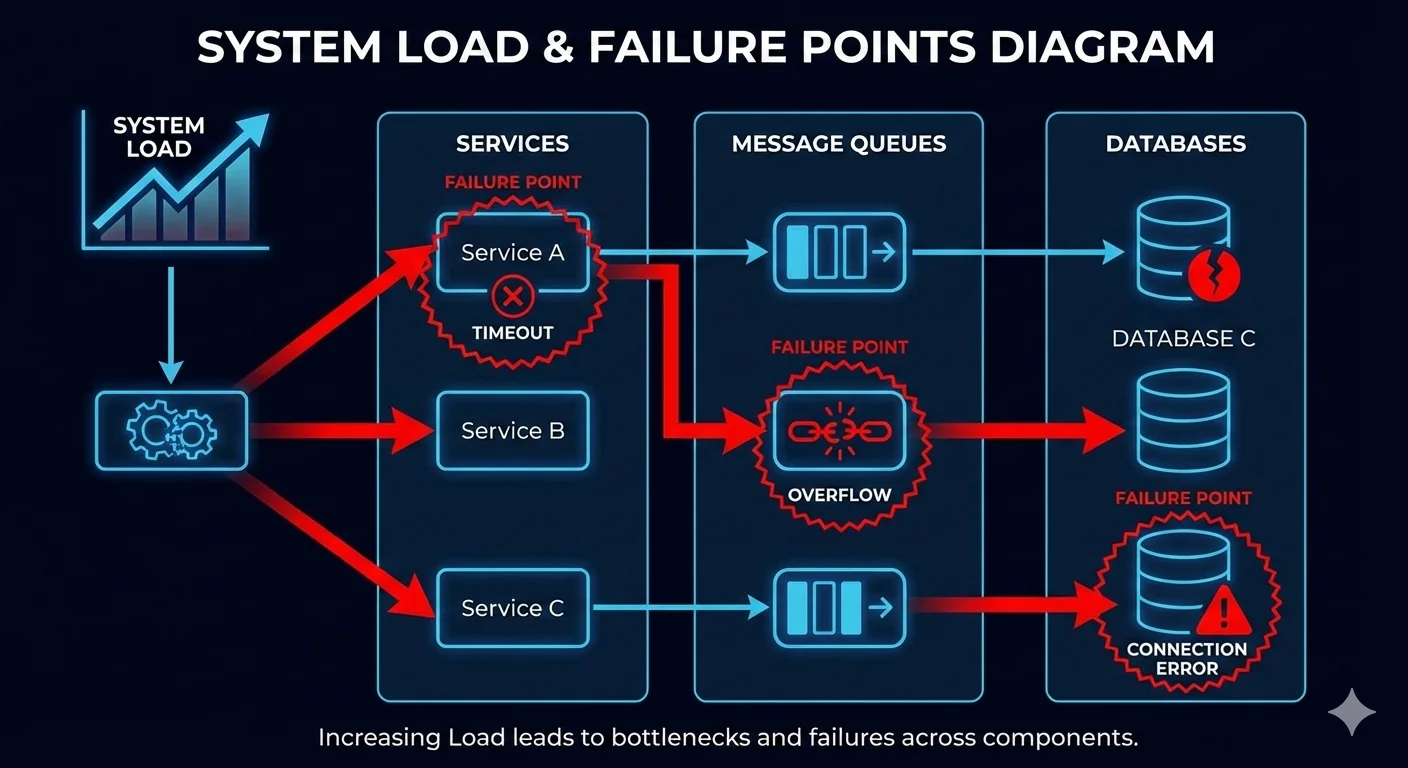
The API didn’t crash immediately. It slowed down gradually, then fell over under load. The problem wasn’t traffic. It was invisible memory retention hiding inside “clean” Node.js code.

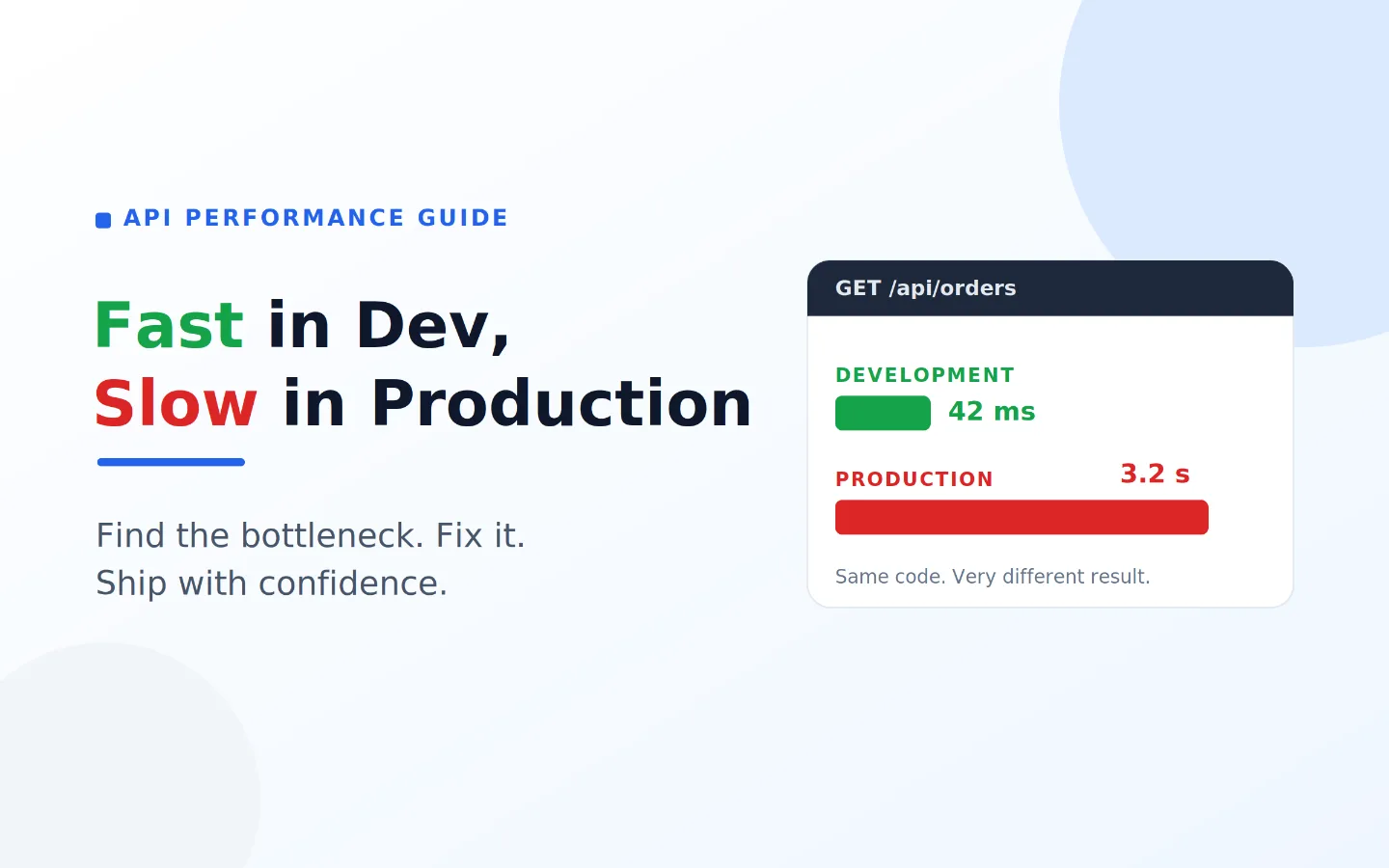
Your API feels instant on your laptop, then crawls the moment real users arrive. This beginner friendly tutorial explains why a fast API becomes a slow API in production, and walks you step by step through the fixes in PHP, Postgres, and the frontend.