Qualify and Follow Up on Sales Leads With AI
10 min read
4 views
The lead you lost while the form sat in an inbox
Picture a promising enquiry that lands in your inbox on a busy afternoon. The person is ready to buy, but your team is heads down, and by the time someone replies the next morning, the moment has passed. They have moved on, or a faster competitor has already answered. This quiet, daily loss is one of the most expensive problems in sales, and it is exactly what AI lead qualification is built to fix. The idea is simple: the instant a lead arrives, AI reads it, scores how promising it is, drafts a tailored reply, and makes sure the best leads reach a human while their interest is still high.
This article explains how that works in plain language for business owners, and then, for your developers, how to build a practical version. The goal is not to replace your salespeople. It is to make sure no good lead ever goes cold simply because nobody got to it in time. Good lead qualification turns a chaotic inbox into an ordered queue where the right leads rise to the top.
Why slow follow up quietly costs you deals
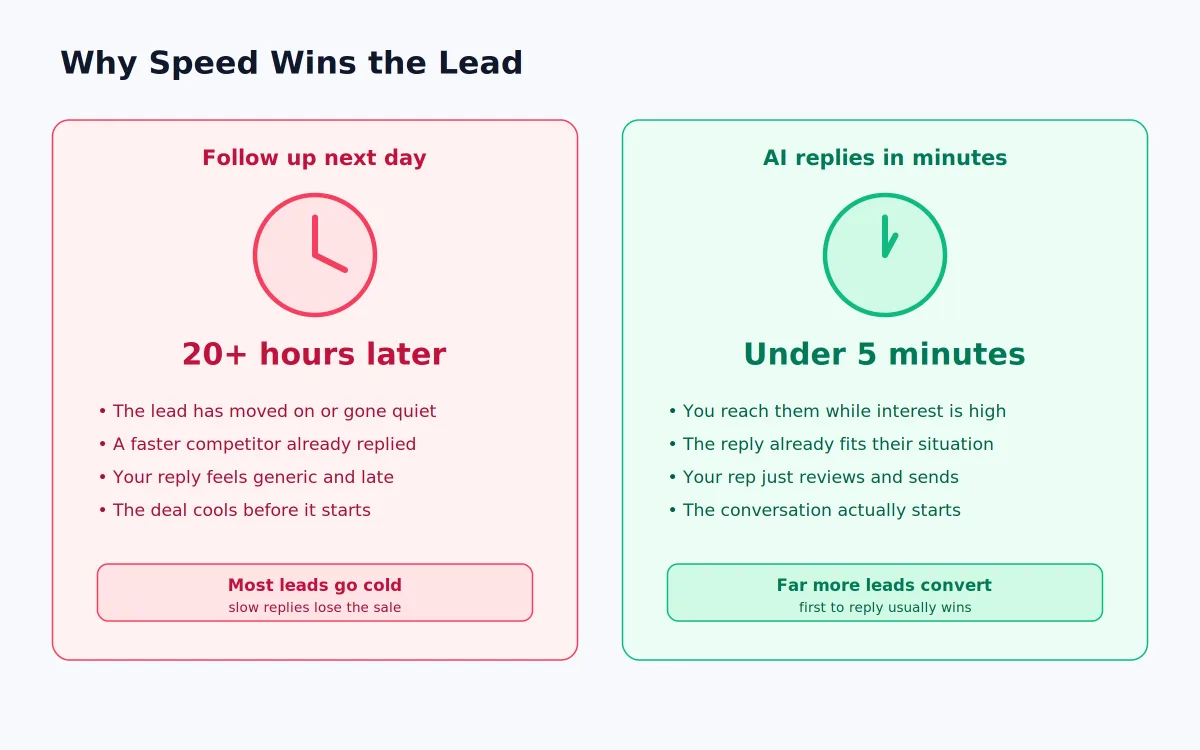
Speed is the part most businesses underestimate. When you reply within minutes, you reach a buyer while they are still thinking about you. When you reply the next day, you reach someone who has cooled off, shopped around, or forgotten why they enquired. The contrast above tells the story. A late reply feels generic and arrives after a competitor has already started the conversation, while a fast, relevant reply keeps the deal alive.
The other hidden cost is inconsistency. On a good day, your best salesperson handles every enquiry brilliantly. On a busy day, leads get skimmed, mis-prioritised, or missed entirely. AI lead qualification removes that randomness by giving every single lead the same fast, careful first pass, so nothing slips through the cracks.
What AI lead qualification actually does
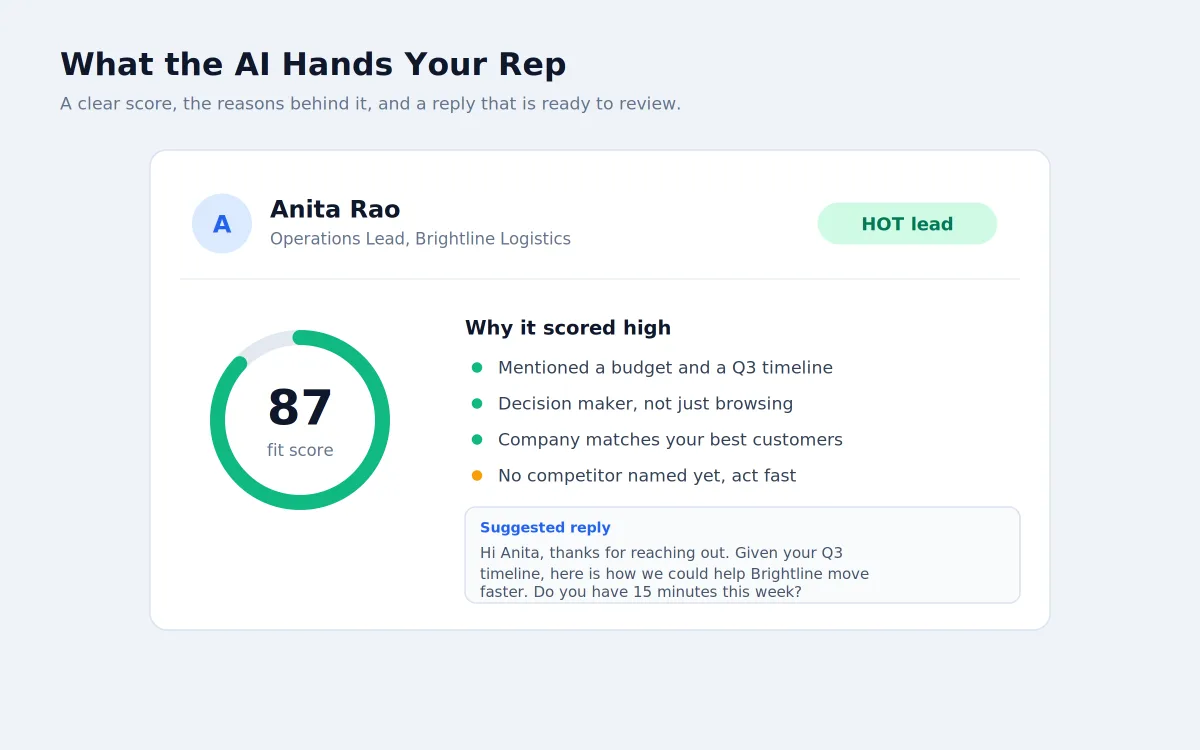
It helps to see the output before the mechanics. For each lead, AI produces a clear score, the reasons behind that score, and a draft reply your rep can review, as shown above. The score answers a simple question: how well does this lead match the customers you actually win? A lead that mentions a budget and a timeline, comes from a decision maker, and works at a company like your best customers scores high. A vague enquiry from a free email address with no detail scores low.
Crucially, the score comes with its reasoning, so your team is never asked to trust a mystery number. They see why a lead is hot, which helps them open the conversation well. This is the heart of good lead qualification: not just a label, but a useful, explainable summary that helps a human act faster and smarter.
How the workflow fits together
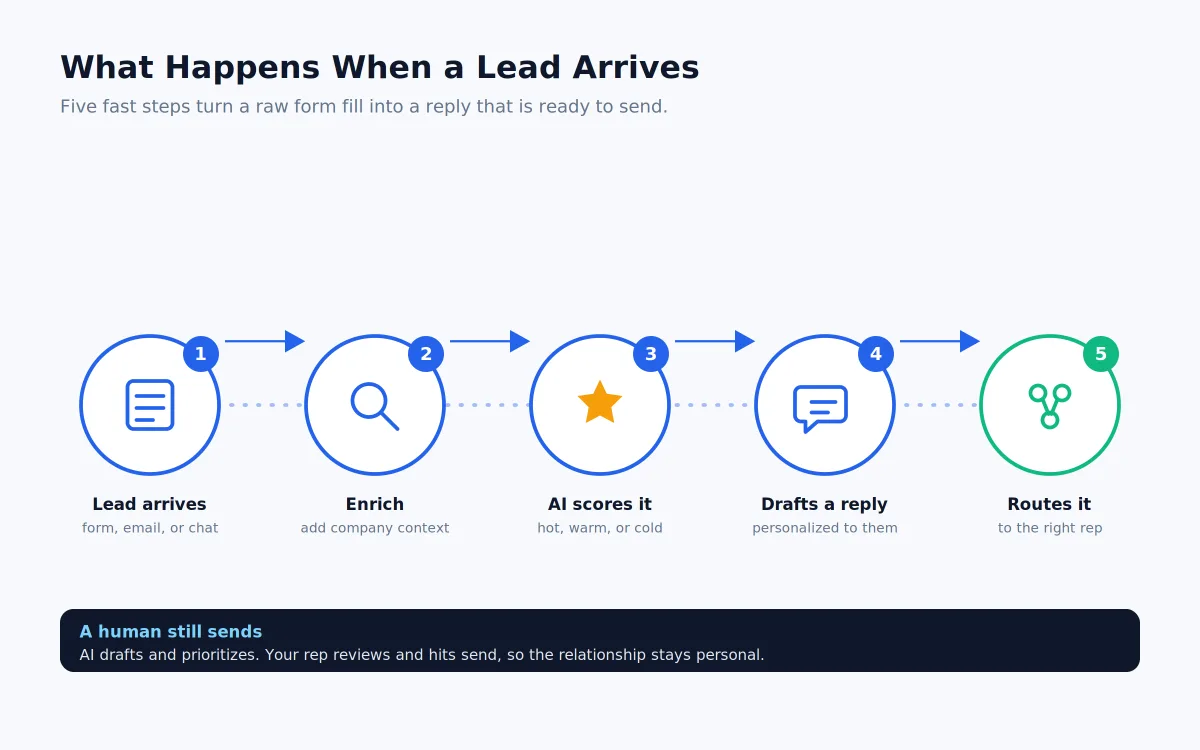
Behind the scenes, the process is a short pipeline, shown above. A lead arrives from a form, an email, or a chat. The system enriches it with a little context, such as the company behind the email domain. AI then scores the lead and writes a draft reply tuned to what the lead said. Finally, the lead is routed: hot ones go straight to a salesperson with the draft attached, warm ones enter a nurture sequence, and cold ones get a polite automatic acknowledgement. A person still reviews and sends the important replies, so the relationship stays human. The automation handles the speed and the sorting; your team handles the judgment and the closing.
For your developers: building lead qualification step by step
The examples below use Node.js because lead capture usually starts with a web form or webhook, but the same logic works in any language, and the AI calls work with any large language model.
Step 1: Receive the lead
Start with an endpoint that accepts a new lead from your form or CRM webhook.
import express from "express";
const app = express();
app.use(express.json());
app.post("/leads", async (req, res) => {
const lead = req.body; // { name, email, company, message }
const result = await handleLead(lead);
res.json(result);
});
app.listen(3000, () => console.log("Listening for new leads"));
Step 2: Score the lead with AI
Ask the model to return a structured score so the rest of your code can act on it. The key is requesting clean JSON, not prose.
async function scoreLead(lead) {
const prompt = `You qualify B2B sales leads. Score this lead from 0 to 100
for how well it matches a serious buyer. Consider budget signals, seniority,
company fit, and intent. Reply ONLY with JSON:
{"score": number, "priority": "hot" | "warm" | "cold", "reasons": string[]}
Lead:
Name: ${lead.name}
Email: ${lead.email}
Company: ${lead.company}
Message: ${lead.message}`;
const raw = await askLLM(prompt); // your LLM call
return JSON.parse(raw); // { score, priority, reasons }
}
Step 3: Draft a personalized reply
A score on its own does not save time. The draft reply is what lets a rep respond in seconds instead of minutes.
async function draftReply(lead, scoring) {
const prompt = `Write a short, warm first reply to this sales lead.
Reference what they said, suggest a quick call, and keep it under 90 words.
Do not invent facts. Lead message: "${lead.message}"
Why they matter: ${scoring.reasons.join("; ")}`;
return await askLLM(prompt);
}
Step 4: Route the lead by priority
Now turn the score into an action. Hot leads interrupt a human; the rest flow into calmer queues.
async function routeLead(lead, scoring, reply) {
if (scoring.priority === "hot") {
await notifyRep(lead, scoring, reply); // Slack or email, with the draft
} else if (scoring.priority === "warm") {
await addToNurture(lead, reply); // scheduled follow ups
} else {
await sendAck(lead.email); // polite auto acknowledgement
}
await saveToCRM(lead, scoring, reply); // always record it
}
Step 5: Put the pipeline together
Tie the steps into the handler from Step 1. This is the whole loop, from raw lead to a reply waiting for review.
async function handleLead(lead) {
const scoring = await scoreLead(lead);
const reply = await draftReply(lead, scoring);
await routeLead(lead, scoring, reply);
return { score: scoring.score, priority: scoring.priority };
}
That is a working lead qualification pipeline in a handful of small functions. Notice what it does not do: it never sends an important reply on its own. It prepares everything, then puts a human in front of the moments that matter.
Keep a person in the loop
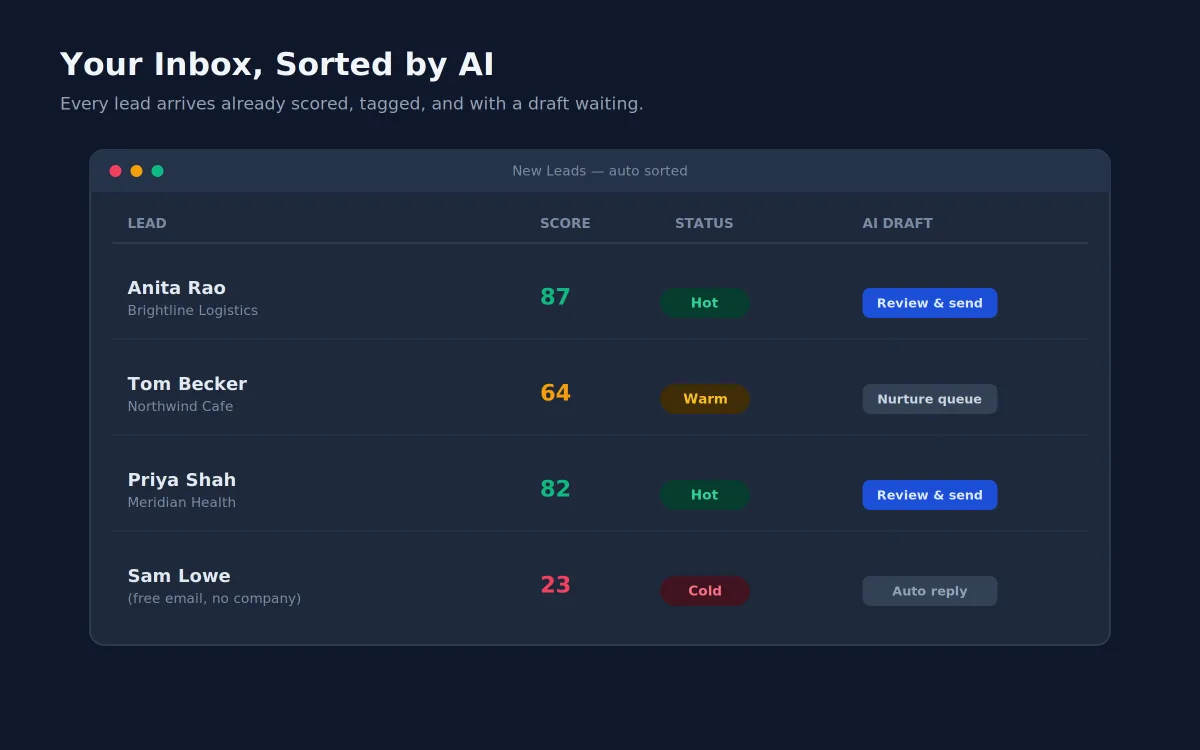
The dashboard above shows the result your team actually works with: every lead scored, tagged, and waiting with a draft. That review step is not a limitation, it is the point. AI lead qualification is at its best when it does the fast, repetitive sorting and drafting, while your salespeople bring the human judgment that wins deals. Let reps approve or edit drafts before they go out, especially early on while you build trust in the scores. Watch which leads the model marks hot and whether they truly convert, and refine the scoring prompt with examples from your own won and lost deals. Over a few weeks, the scores get sharper and the drafts sound more like you.
Reply first, every time
A good lead is a perishable thing. The faster and more relevant your first reply, the more deals you win, and that is precisely where AI lead qualification earns its place. By scoring every lead the moment it lands, drafting a reply that fits, and pushing the best ones to a human while interest is high, you stop losing sales to slow follow up. Start with one lead source, measure how many more conversations you start, and expand from there. The technology handles the speed and the sorting, your team brings the relationships, and far fewer good leads ever go cold again.
Articles Worth Reading
Learn how simple demand forecasting can help reduce food waste and cut costs by stocking closer to real demand.
I recently built an AI document assistant that answers questions straight from a client's own files in seconds, complete with sources.
Learn how an AI voice agent that answers every call can book appointments and route urgent calls to a human so you never lose a customer.
Learn how to build AI workflows with n8n and OpenAI that hold up in production rather than just demos.
If you've ever watched a flawless demo crumble in production, here's how I shipped production-ready AI agents that survived contact with real users.
If you've ever dealt with tracking down hidden memory leaks in a Node.js API, you know how deceptive "stateless" code can be.
External Links
Frequently Asked Questions
Let's build
Have a project worth building?
If this maps to a problem in your business, tell me about it. I will tell you honestly whether software or AI can fix it, and how I would build it.
Continue Reading
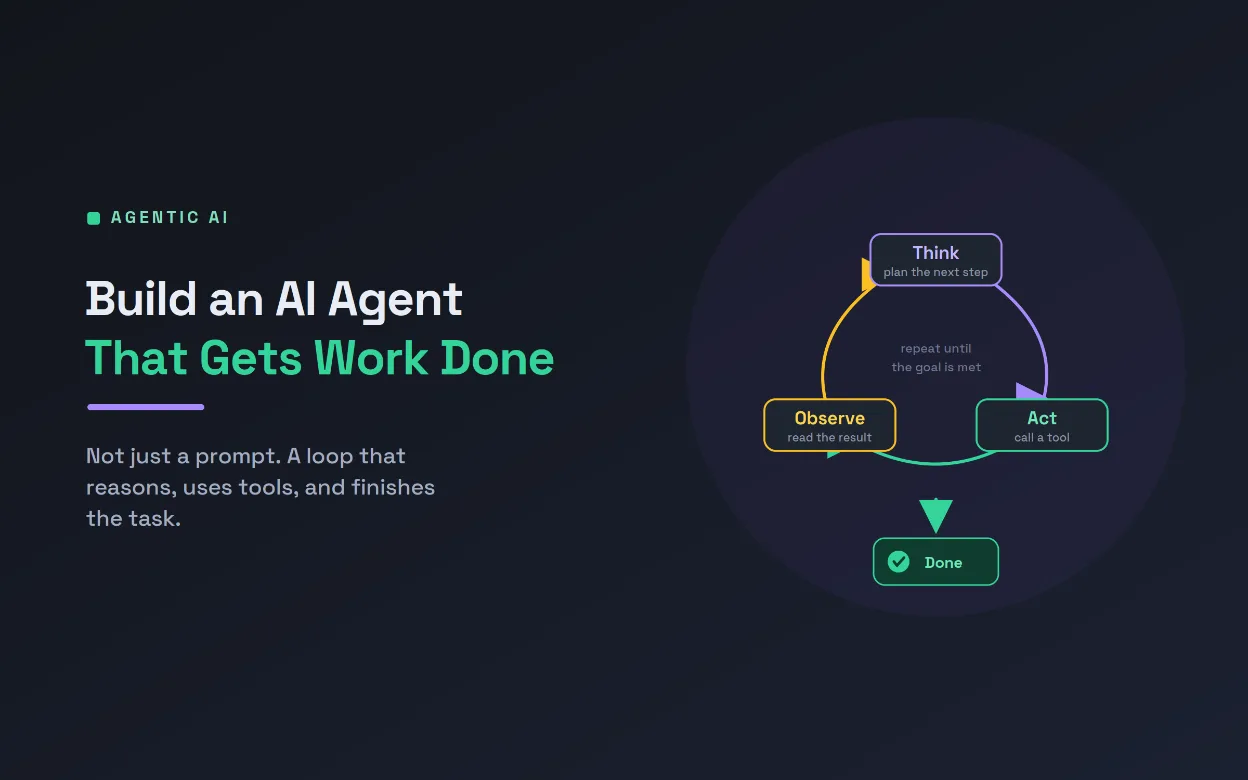
AI Development13 min read
Build an AI Agent to Automate a Real Task
An AI agent is not a chatbot, it is an LLM in a loop that reasons, calls tools, and works until a task is done. This technical guide builds a real inbox-triage agent step by step, with tool schemas, the agent loop, permissions, and production guardrails.
Aug 05, 20263 views
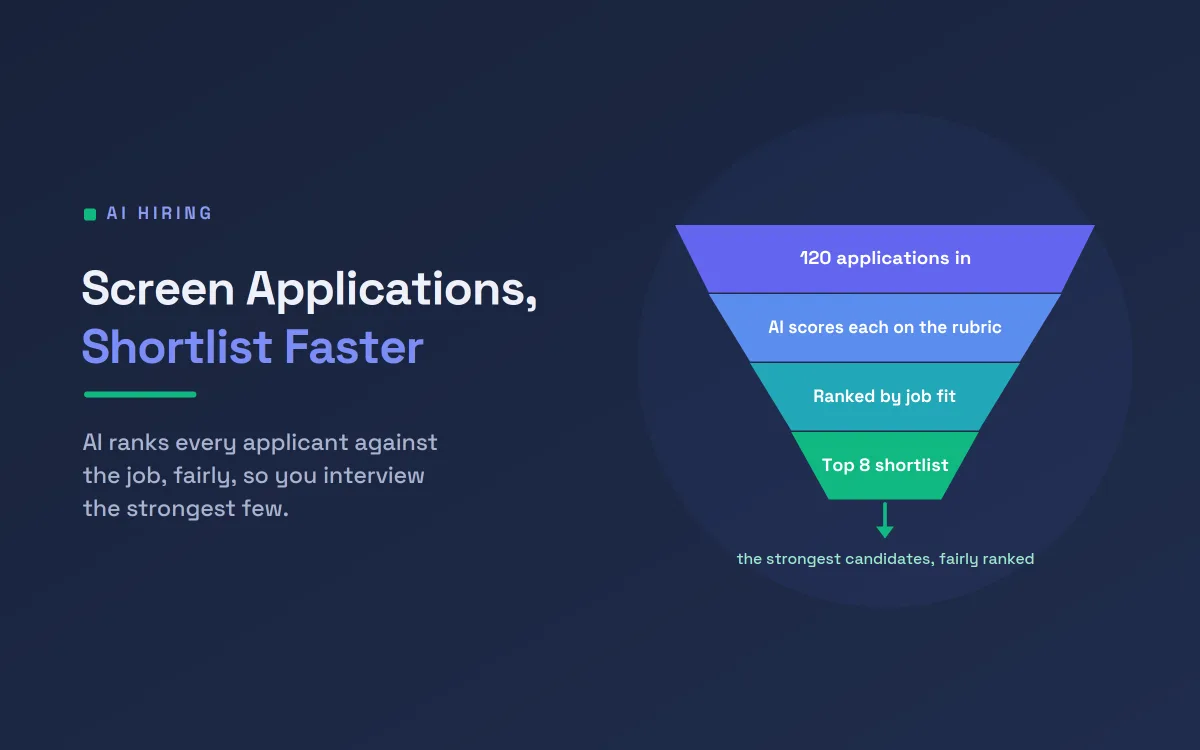
AI Development10 min read
Screen Job Applications Faster With AI Shortlisting
A single open role can draw hundreds of applications. This guide shows how AI resume screening ranks candidates on job-relevant criteria, with the fairness safeguards and human oversight that responsible hiring demands, so your team spends its time on the strongest few.
Jul 18, 20265 views
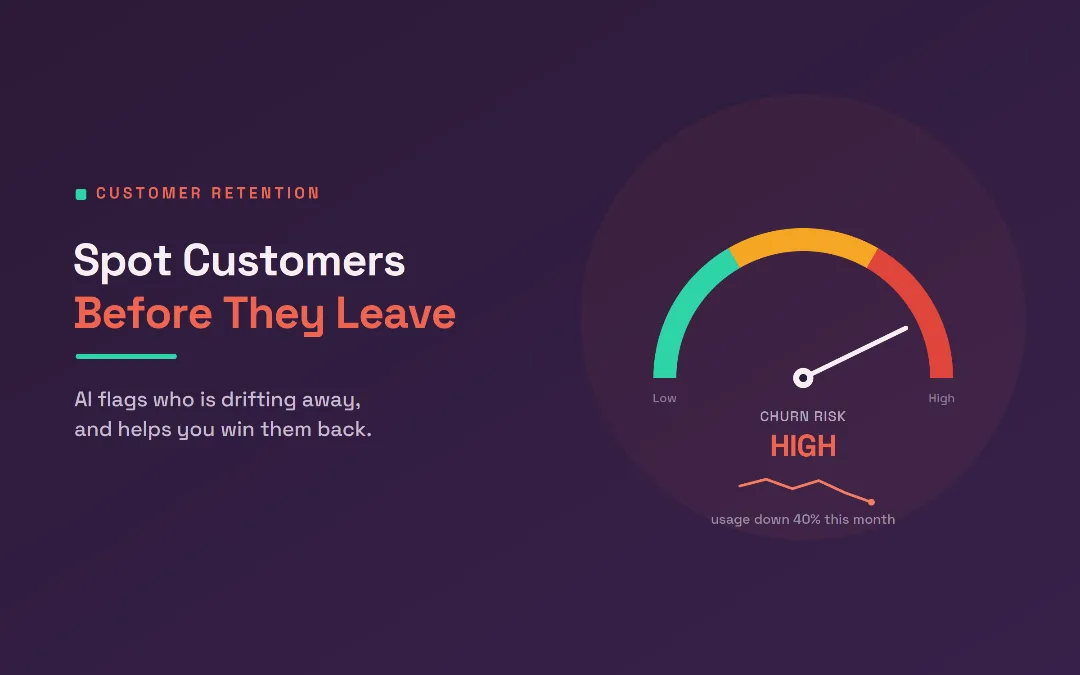
AI Development9 min read
Predict Customer Churn and Win Them Back With AI
Most customers leave quietly, without a complaint. This guide shows how AI predicts customer churn from the small signals that come before someone cancels, then drafts a personal win-back message, so your team can act while there is still time.
Jul 13, 20261 views